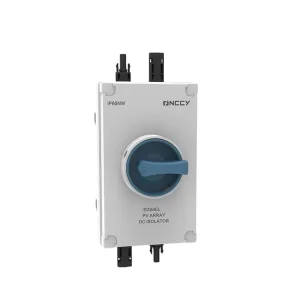
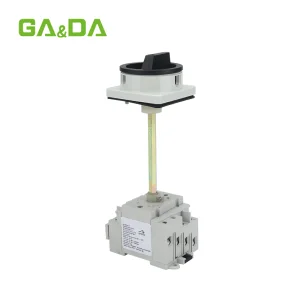
Specially selected DC isolation and safety disconnect technologies engineered to meet the stringent AS/NZS 5033 standards required for private and commercial installations across the Australian Capital Territory.
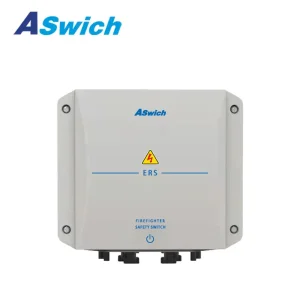
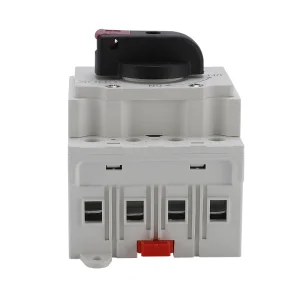
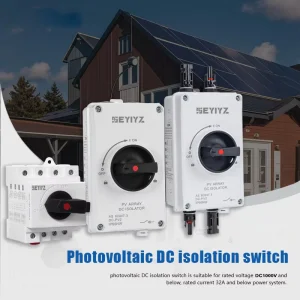
As the capital city of Australia, Canberra and the wider Australian Capital Territory (ACT) represent a highly progressive market for renewable energy integration. The ACT government has long achieved its target of sourcing 100% of its electricity from renewable sources, and the focus has rapidly shifted toward domestic electrification, large-scale battery storage (ESS) systems, community batteries, and distributed virtual power plants (VPPs). However, Canberra's geographical location presents unique environmental challenges that directly affect the life cycle and safety of solar power infrastructure.
Unlike coastal cities in Australia, Canberra is subject to a dry, continental climate characterized by extreme temperature fluctuations. In winter, temperatures regularly drop below sub-zero levels (-5°C to -8°C overnight frosts), while summer afternoons can frequently exceed 40°C. For DC protection equipment, such as PV System Disconnect Switches, this high thermal range poses severe risks, including:
Furthermore, Australia's grid compliance standards are among the most strict in the world. System installers, engineers, and distributors operating in the ACT must guarantee compliance with the AS/NZS 5033:2021 installation standard. This requires all DC isolators to have high-strength, arc-resistant pathways, clear locking mechanisms in the "OFF" position, and to withstand full operational currents without thermal degradation. As an experienced manufacturer, Foshan SDEV Charger Co., Ltd. designs and tests its disconnect systems specifically to withstand these punishing Australian conditions.
Foshan SDEV Charger Co., Ltd. is a trusted manufacturer of protective components for photovoltaic systems across the globe. Our experience of working in the electrical industry for more than 30 years allows us to create solar DC components that comply with the latest DC standards. Through our focus on solar DC protection design, production, and marketing, we can bring brand-building PV protection solutions.
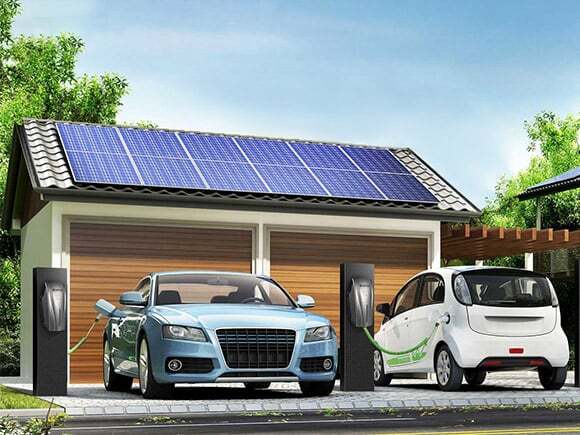
With the inheritance of 30+ years of experience in the research and production of DC protection products, we are continuously dedicated to the EV charging field. In recent years, SDEV has attentively invested resources in research on EV-related products, successively manufacturing other types of products, thus reaping wide market popularity across the world.
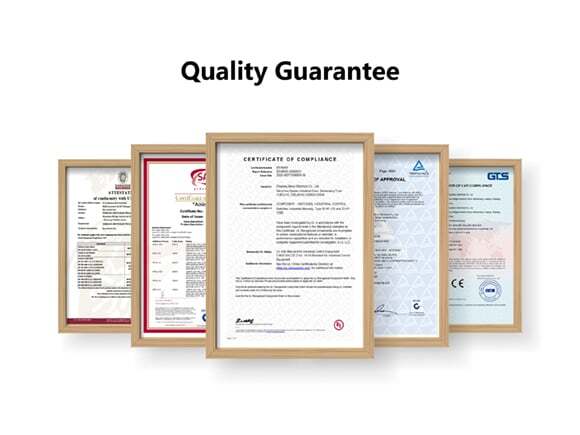
Quality is the primary goal among each of our workshops since this leads to the best performance and safety for any Solar, Storage, and EV charging system. Our commitment to quality increased brand awareness for your company. To achieve our goal, our factory and products comply with UL, SAA, CB, CE, TUV, ISO, and RoHS standards.
In DC circuitry, opening contacts under load creates an electrical arc. Because DC current does not naturally pass through zero volts like AC, drawing out and extinguishing a DC arc is significantly more challenging. Utilizing inferior disconnect switches without sufficient contact separation velocity or magnetic blowout components leads to sustained arcing, heat generation, and eventually catastrophic fire. That is why SDEV strictly adheres to the highest design and materials benchmarks, guaranteeing long-term safety for installers and building owners in Canberra.
Achieving our goals come from formulating new products based on the market demands through our in-house R&D team. Our efforts have led to our first UL508i listed patented DC switch within China and the DC-PV2 DC switch produced for the global market. With our cutting-edge PV protective products and EV chargers, we aim to create a long-term partnership with many renewables companies.
Our research and development program incorporates extensive material testing, focusing on high-grade Polycarbonate enclosures that resist UV radiation, high thermal deflection, and chemical impact. This level of durability ensures SDEV's disconnect systems maintain their mechanical integrity even when exposed to decades of direct Australian sunlight.

The table below details our core parameters for DC isolators and disconnect switch ranges, showing how they align with Canberra utility requirements and household solar systems.
| Feature / Specification | Residential Applications | Commercial & Industrial (C&I) | Utility & ESS Deployments |
|---|---|---|---|
| Rated Operational Voltage (Ue) | 500V to 1000V DC | 1000V to 1200V DC | Up to 1500V DC |
| Rated Operational Current (Ie) | 16A, 25A, 32A | 32A, 63A, 80A | 100A, 250A, 400A |
| Utilization Category | DC-PV1 / DC-PV2 | DC-PV2 | DC-PV2 / DC-21B |
| IP Protection Rating | IP66 Enclosure | IP66 Waterproof Enclosure | IP65 to IP66 with ventilation valving |
| Certifications Held | SAA, CE, TUV, RoHS | SAA, TUV, UL508i, CB | UL, SAA, TUV, CB, ISO9001 |
| Arcing Protection | Magnetic Arc Extinction | Patented dual-arc extinguishment | Advanced magnetic blowouts + massive air gaps |
Every product leaving our factory is designed to mitigate installation risks, reduce maintenance costs, and comply with safety regulations.
Features a customized spring action mechanism that reduces switching time to less than 5 milliseconds, extinguishing the high-voltage DC arc before it damages the contacts.
Fully sealed outdoor structures equipped with condensation release systems to handle the extreme diurnal temperature drops in Canberra.
Ensures absolute mechanical security for solar maintenance technicians. Lockable rotary knobs prevent unauthorized reactivation during system overhauls.
Sourcing your PV disconnect switches from Foshan SDEV provides significant competitive advantages, combining advanced industrial ecosystems with global freight networks. Our factory in Foshan, Guangdong Province, lies at the heart of the world's most robust power electronics and manufacturing hub. This location enables us to guarantee:
Additionally, our shipping networks out of Shenzhen and Guangzhou ports provide predictable, fast lead times to major Australian distribution centers, ensuring that your commercial solar projects stay on track and within budget.
Get technical insights on choosing compliant PV disconnects, meeting AS/NZS requirements, and safeguarding solar and battery installations in Australia.
We combine three decades of manufacturing expertise with automated production processes to supply high-reliability electrical components worldwide.
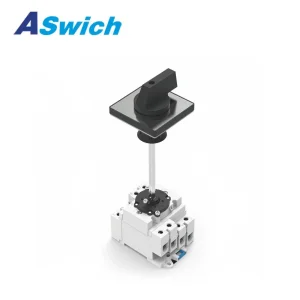
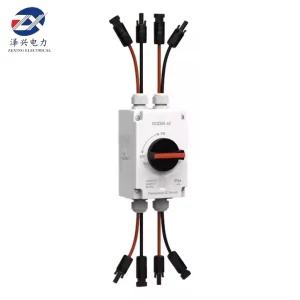
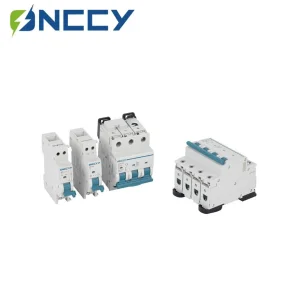
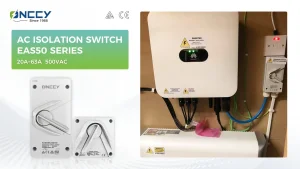
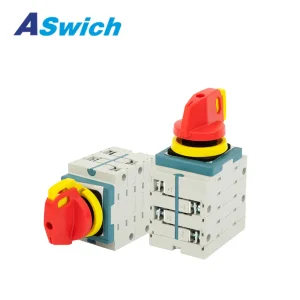
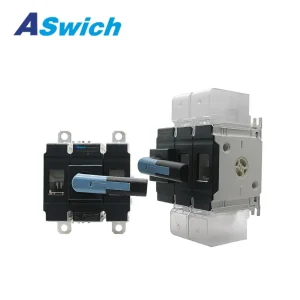
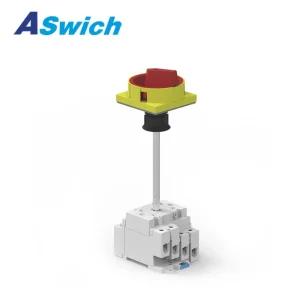
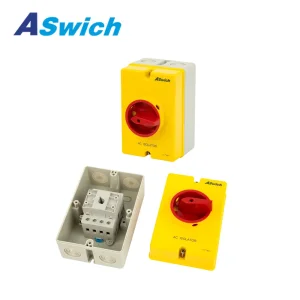
Below is the full range of SDEV waterproof isolators, load switches, battery isolators, and AC motor disconnect switches. Engineered to support commercial utility hubs, standard solar installations, and local distribution channels.
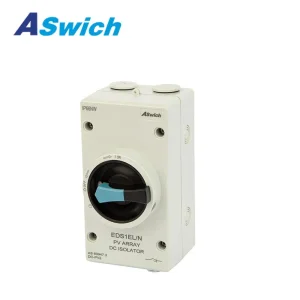
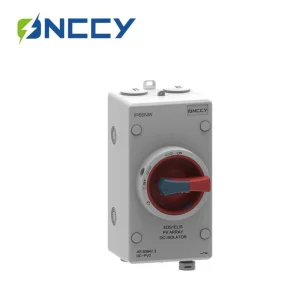
Whether you are designing multi-megawatt ground-mount solar arrays in the ACT or retrofitting residential solar systems with energy storage integration, matching your installation with the correct DC isolation switch is a critical step for both regulatory approval and lifetime plant reliability.
SDEV works closely with engineering partners in Australia to deliver local support, helping you navigate compliance criteria set by local networks like Evoenergy in the Canberra region. We provide guidance on thermal calculations, voltage selection pathways, and custom terminal arrangements to streamline installation times for your technicians.
If you have any questions or require custom specifications or pricing data for your project tenders, please connect with our product engineering team today. We provide engineering-focused consultation to ensure that every disconnect switch meets the demands of your installation environment.
 SDEV Charger