Surge protection plays an essential role in photovoltaic (PV) systems. Understanding how surge protection works in PV systems can help optimize their performance and longevity. Solar installations are vulnerable to voltage spikes. These spikes can occur from lightning strikes or grid disturbances. Without proper surge protection, the equipment can suffer serious damage.
The components of a PV system, such as inverters and batteries, require safeguarding. Each part has a specific tolerance to voltage levels. A surge can exceed these limits and lead to failures. This highlights the importance of implementing surge protective devices (SPDs).
Investing in effective surge protection reduces maintenance costs and increases system reliability. However, not every installation prioritizes this aspect. Some may underestimate the potential risks, which could lead to costly repairs. Awareness and proper education are vital. Understanding the specifics of how surge protection works in PV systems can significantly reduce the likelihood of damage.
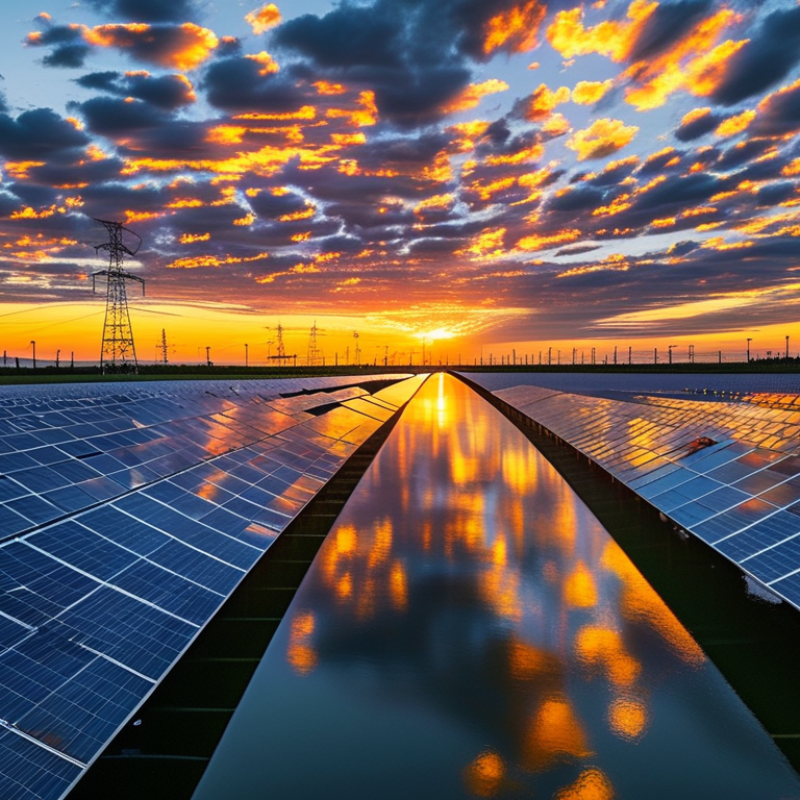
Surge protection is essential in photovoltaic (PV) systems. It helps to safeguard equipment from voltage spikes. These spikes can result from lightning strikes or power surges. Without proper protection, these events may damage solar inverters, batteries, and other components. Understanding how surge protection works can ensure the longevity of a PV system.
Surge protective devices (SPDs) are commonly used in PV systems. They divert excess voltage away from sensitive electronics. When a surge occurs, the SPD activates, channeling the surge safely to the ground. This prevents damage to critical components. However, not all SPDs are equally effective. Choosing the right device based on system specifications is crucial. Some users find themselves overwhelmed by technical details, leading to potential mistakes.
Regular maintenance is vital for optimal performance. Over time, SPDs can degrade, losing their effectiveness. This wear and tear might go unnoticed until a surge event occurs. Users must periodically check their systems to ensure SPDs are functioning well. It's a common oversight that can lead to costly repairs. Understanding these aspects can improve reliability and protect investments in renewable energy.
Surge protection is critical in photovoltaic (PV) systems. It minimizes the risk from voltage spikes, often caused by lightning or switching events. Various types of surge protection devices (SPDs) are employed to safeguard these systems. They include Type I, Type II, and Type III SPDs, each suited for different locations within the PV system.
Type I SPDs are installed at the service entrance. They provide optimal protection against external surges from sources like lightning. Research indicates that such measures can reduce surge damage by up to 75%. Type II SPDs are placed between the service entrance and the PV equipment. This device acts as a secondary line of defense, ensuring that residual surges do not reach sensitive components. Type III SPDs are installed on equipment itself, offering localized protection. Surges can bypass certain SPDs without proper planning, which makes their strategic placement essential.
Inadequate surge protection can lead to expensive equipment failures and downtime. A study showed that nearly 30% of system failures can be traced back to surge-related issues. Proper surge protection not only extends the lifespan of PV systems but also maintains overall efficiency, which is crucial for energy return on investment (ROI). Continued research and education in this area remain vital, as technology and surge threats evolve.
Surge protection devices (SPDs) play a vital role in photovoltaic (PV) systems. These devices are designed to prevent voltage spikes caused by lightning or other electrical disturbances. When a surge occurs, SPDs absorb or redirect excess energy. This helps to protect sensitive components in the solar system, such as inverters and batteries. Without effective surge protection, these components risk permanent damage.
The functionality of SPDs is based on specific technologies. Metal oxide varistors (MOVs) and gas discharge tubes (GDTs) are commonly used. MOVs can quickly react to voltage increases, shunting excess energy away. GDTs provide additional protection by creating a conductive path during surges, facilitating energy dissipation. Both these technologies contribute significantly to the system's resilience.
However, not all SPDs function perfectly in every scenario. Environmental factors, installation quality, and equipment compatibility can affect their efficiency. Choosing the right SPD is crucial but challenging. It requires a deep understanding of local conditions and potential risks. Regular inspections and testing are also necessary to ensure optimal performance over time. Each installation may reveal new challenges, making ongoing evaluation essential.
| Dimension | Data |
|---|---|
| Device Type | Surge Protection Device (SPD) |
| Voltage Rating | 1000 V DC |
| Maximum Surge Current | 60 kA |
| Response Time | < 25 ns |
| Installation Type | AC/DC Combined |
| Mounting Location | Near Inverter |
| Testing Standard | IEC 61643-11 |
| Warranty Period | 5 years |
Surge protection is vital for the longevity of photovoltaic (PV) systems. Solar energy systems are often exposed to various environmental factors, including lightning strikes. These events can generate high voltages that damage sensitive electronic components. Without proper surge protection, a single strike could lead to costly repairs and system downtime. Homeowners and businesses investing in solar energy should prioritize systems that include reliable surge protection measures.
The importance of surge protection extends beyond immediate safety. A surge can impact more than just the inverter; it can affect monitoring systems and communication links too. This interconnectedness means that a surge can cripple overall system performance. Regular maintenance checks focusing on surge protection devices can help detect vulnerabilities. Neglecting this aspect could lead to misleading performance data, causing users to believe their system is functioning well, when it is not.
Investing in surge protection can result in substantial long-term savings. Although the initial installation might seem like an extra expense, protecting the entire system can prevent far greater costs in repairs or replacements. Understanding these risks motivates many to seek expert guidance. It's crucial to ensure that your surge protection system meets industry standards for the highest level of security.
Surge protection is critical in photovoltaic (PV) systems to safeguard against voltage spikes. These spikes can originate from external sources like lightning strikes. According to a report from the National Renewable Energy Laboratory, over 70% of solar PV system failures result from electrical surges. Therefore, adhering to best practices is essential.
Implementing surge protection begins with proper system design. Employing surge protective devices (SPDs) at the array level is vital. These should have low clamping voltage ratings to effectively divert excess energy. Additionally, grounding practices must be robust. A well-grounded system minimizes the risk of surge-induced damage. Ensure all components, including inverters and batteries, meet relevant standards, such as IEC 61643-11.
Regular inspections are often overlooked. Periodically reviewing the condition of SPDs can help identify wear or failure. In areas prone to lightning, having redundant protection strategies adds an extra layer of security. Documenting maintenance and testing results is crucial for ongoing reliability. This attention to detail can prevent costly downtime and repairs, ultimately enhancing the longevity of PV installations.
: SPDs minimize risks from voltage spikes caused by lightning or switching events.
Type I SPDs are installed at the service entrance to protect against external surges.
Research shows they can reduce surge damage by up to 75%.
Type II SPDs are placed between the service entrance and PV equipment, acting as a secondary defense.
Surges can bypass some SPDs; proper planning is essential for maximum protection.
It can lead to costly equipment failures and a study shows 30% of system failures involve surge issues.
Proper surge protection extends the lifespan and maintains efficiency, aiding energy return on investment.
A surge can impact inverters, monitoring systems, and communication links, crippling performance.
Regular checks can detect vulnerabilities, helping avoid misleading performance data.
Yes, while initial costs may seem high, it prevents greater repair expenses in the long run.
Surge protection is a crucial aspect of photovoltaic (PV) systems, ensuring their longevity and reliable operation. Understanding how surge protection works in PV systems involves recognizing different types of surge protection devices, such as surge protective devices (SPDs) that are specifically designed to handle voltage spikes. These devices function by redirecting excess voltage away from sensitive components, thus mitigating the risk of damage caused by surges.
The importance of surge protection cannot be overstated, as it helps maintain the integrity of PV systems over time, ultimately leading to better performance and reduced maintenance costs. Best practices for implementing surge protection include proper device selection, strategic placement within the system, and regular maintenance checks. By following these guidelines, stakeholders can significantly enhance the resilience of PV installations against electrical surges.

SDEV Charger