As businesses increasingly turn to renewable energy, understanding "How smart PV management reduces energy loss" becomes crucial. According to a recent report from the International Renewable Energy Agency, energy losses in photovoltaic systems can be as high as 30% without proper management. This indicates a significant opportunity for businesses to maximize their solar energy investments.
Expert Dr. Emily Chen, in her recent publication, states, "Effective PV management systems can optimize energy output and significantly reduce losses." This expertise highlights the importance of integrating smart technology to monitor and adjust solar performance in real time. Businesses that leverage these technologies can achieve greater efficiency and sustainability.
Yet, not all companies fully implement these systems. A study from the Solar Industry Association reveals that only 40% of businesses currently utilize smart PV management tools. This gap suggests that many organizations overlook potential savings and operational efficiency. As the renewable energy market grows, the need to address these shortcomings will be more critical, driving the need for smarter energy management solutions.
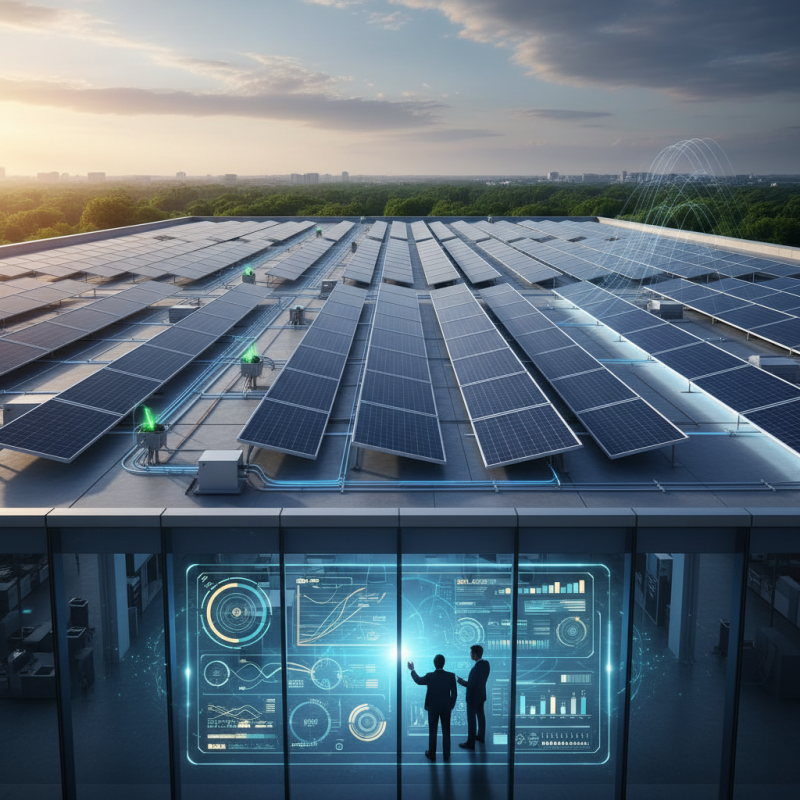
Smart PV management systems are revolutionizing how businesses handle energy production. These systems utilize advanced algorithms and IoT technology for real-time monitoring and control. According to a report by the International Renewable Energy Agency (IRENA), the effective use of smart PV management can reduce energy losses by up to 30%. This capability is crucial for companies aiming to maximize efficiency and reduce operational costs.
These systems analyze a plethora of data, including weather patterns, energy demand, and panel performance. By doing so, they make informed decisions about energy storage and distribution. A study from the Solar Energy Industries Association (SEIA) highlights that proactive management can prevent significant energy wastage. Despite their benefits, many businesses still struggle with implementation. Challenges such as high initial costs and the need for technical expertise can hinder adoption.
Moreover, there are concerns about reliability. Smart PV management systems depend heavily on accurate data inputs. Any anomalies in data collection might lead to inefficient energy management. Therefore, continuous improvement and adaptability are essential. Businesses must regularly assess their systems to ensure optimal performance. This reflective approach is vital in maintaining energy efficiency and achieving long-term sustainability goals.
Smart PV technology is revolutionizing energy management for businesses. The key components involve advanced monitoring and control systems. These systems assess energy production in real-time. They optimize the use of generated power and store excess energy efficiently. This approach significantly reduces energy loss.
Another essential element is predictive analytics. By analyzing data trends, businesses can anticipate energy needs. This allows for better resource allocation during peak times. Additionally, integrating weather forecasts enhances production forecasts. Operators can adjust settings proactively, minimizing potential losses.
Communication protocols tie everything together. Various devices can share data seamlessly. This ensures that energy distribution is optimized across the system. The interconnectivity allows for quick adjustments, yet it can also create vulnerabilities. A cyberattack on the system could disrupt energy flow. Thus, maintaining robust security measures is essential. Ideal strategies require continuous evaluation and improvement.
Identifying energy loss sources in photovoltaic (PV) systems is crucial for businesses aiming to maximize efficiency. Several factors contribute to energy loss. One major issue is shading from nearby structures or foliage. Even partial shading can lead to substantial drops in energy generation. Regular inspection and maintenance can help identify these shading issues early.
Another source of energy loss is poor wiring and connections. Over time, connections can corrode or become loose, leading to increased resistance. This can hinder the flow of electricity and reduce overall energy output. Implementing a robust monitoring system can detect these faults promptly. Additionally, the inverter's efficiency plays a significant role. An inefficient inverter can waste a considerable amount of energy during the conversion process.
Thermal loss is also an often-overlooked factor. High temperatures can decrease the performance of solar panels. Increased temperature leads to reduced efficiency, highlighting the need for proper ventilation. Businesses should invest time in ensuring their PV systems are adequately ventilated. Without careful observation, these issues can lead to ongoing energy loss, affecting overall operational costs.
Effective PV management is essential for minimizing energy loss in business settings. Recent studies indicate that up to 30% of energy generated by solar panels can be lost due to inefficient systems. By implementing advanced monitoring tools, businesses can track real-time energy production. This allows for timely adjustments and maximizes output.
One strategy involves predictive maintenance. Studies have shown that routine inspections can reduce energy losses by 15%. Using data analytics, businesses can identify patterns and foresee potential failures. This proactive approach not only saves money but ensures consistent energy provision.
Another key aspect is enhancing inverter performance. Inverter inefficiencies can lead to significant energy loss. Research suggests that upgrading to higher-efficiency models can improve performance by 5-10%. Additionally, optimizing orientations and angles for solar panels based on geographical data can further enhance energy capture. These combined strategies showcase how nuanced adjustments can lead to substantial gains in energy performance.
Reducing energy loss is crucial for businesses operating in today’s competitive environment. Efficient solar photovoltaic (PV) management helps identify and eliminate inefficiencies. When energy loss is minimized, the immediate benefits extend to both financial savings and operational efficiency. Companies experience lower electricity bills. This directly boosts their bottom line.
Effective PV management also enhances energy sustainability. Businesses can harness more renewable energy. This not only meets operational needs but also supports corporate social responsibility. Companies can showcase their commitment to sustainability, attracting environmentally-conscious consumers. However, it's important to note that achieving optimal PV management requires continuous monitoring and adjustments. Some businesses might struggle to adapt to new technologies or processes.
Implementing smart management techniques involves learning from challenges. Businesses may face unforeseen issues, such as equipment failures or underperformance. Recognizing these pain points allows for proactive measures. Over time, these improvements can lead to a significant reduction in energy loss. Consequently, this transformation helps businesses enhance their operational resilience while fostering a more sustainable future.
: Common sources include shading, poor wiring, and thermal loss. Each factor can significantly reduce energy output.
Even partial shading from nearby objects can lead to substantial drops in energy generation. Regular inspection is vital.
Poor connections can corrode or loosen, increasing resistance. This hinders electricity flow and reduces energy output.
An inefficient inverter can waste a significant amount of energy during the conversion process. Monitoring is crucial.
High temperatures can decrease solar panel performance. Proper ventilation helps maintain efficiency and reduces energy loss.
Reduced energy loss leads to lower electricity bills and enhances operational efficiency, boosting the bottom line.
It allows businesses to harness more renewable energy, supporting corporate social responsibility and attracting eco-conscious consumers.
Adapting to new technologies can be difficult. Equipment failures and underperformance often arise and require proactive resolution.
Continuous monitoring and learning from past challenges can lead to significant reductions in energy loss over time.
Careful observation helps identify issues early and prevent ongoing energy loss, ultimately supporting operational goals.
Smart photovoltaic (PV) management systems play a crucial role in minimizing energy loss for businesses. By understanding the essential components of smart PV technology, organizations can effectively identify sources of energy loss within their systems. This involves monitoring performance metrics and analyzing data to detect inefficiencies in real-time.
Implementing robust strategies for optimizing PV performance not only mitigates energy loss but also enhances the overall productivity of solar installations. As a result, businesses benefit significantly; reduced energy loss translates to lower operational costs and a more sustainable energy profile. Ultimately, how smart PV management reduces energy loss is pivotal for enhancing the efficiency and profitability of solar energy systems, paving the way for a greener, more cost-effective future.

SDEV Charger